

You are sitting in a Houston jail cell, your car has been towed, and officers are talking about a DWI charge that could cost you your license and your job. Maybe you are already home, exhausted after a night at the Harris County jail, staring at paperwork you do not understand. In either situation, the same thought usually follows: What happens now, and what do I need to do next so this does not get worse?
A Houston DWI arrest sets several things in motion at once. There is the criminal case, the risk to your driver’s license, and the impact on your work and family. The first few days are not just about getting through the shock. They are when you can protect key rights, preserve evidence, and avoid mistakes that can damage your defense months down the road. At Guy L. Womack & Associates, P.C., we have spent decades defending people in Houston courts who were in the exact position you are in now. We have handled thousands of serious criminal charges, taken hundreds of cases to jury trial, and seen how early choices about bond, statements to police, and license hearings play out in court. In this guide, we walk through practical Houston DWI arrest steps so you know what to expect and what you can do right away to protect yourself.
(713) 364-9913
What Happens Immediately After a Houston DWI Arrest
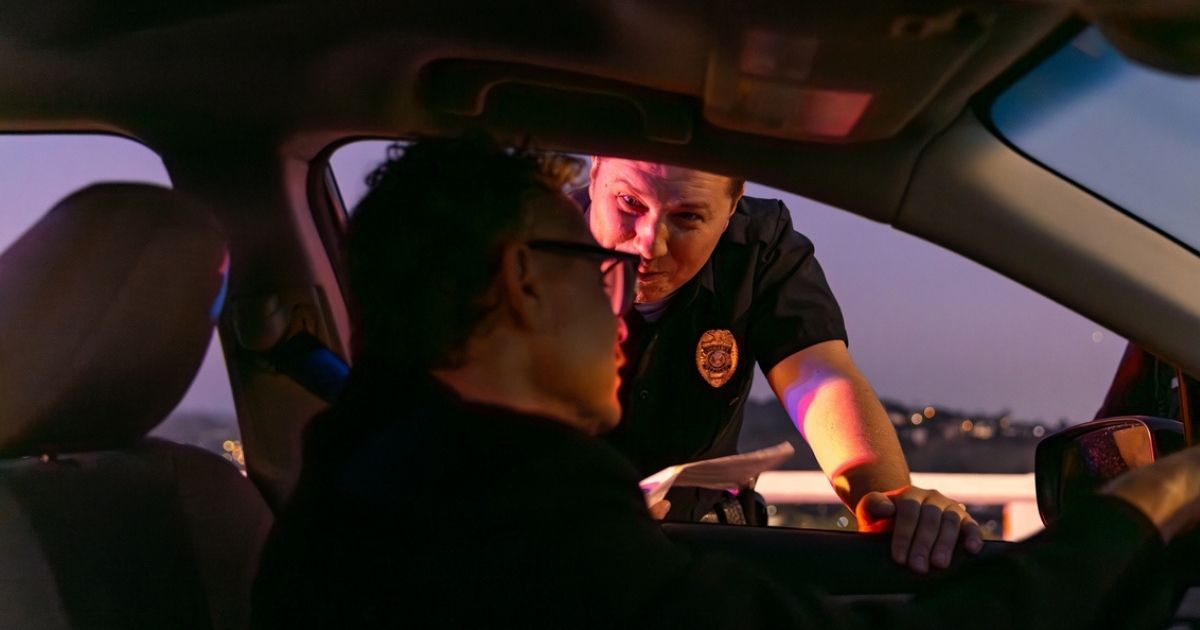
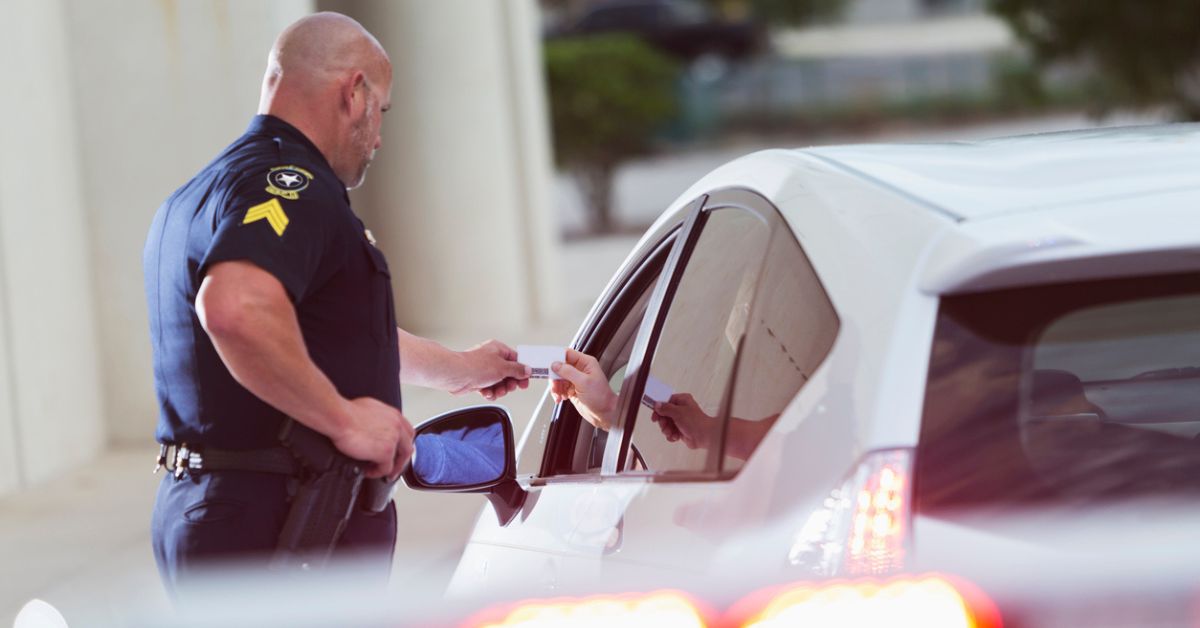
Most Houston DWI cases start with a traffic stop or a contact at a crash scene. Officers watch how you drive, ask questions about drinking, and may ask you to step out of the car for field sobriety tests. These roadside exercises are supposed to measure balance, coordination, and how you follow instructions. In the real world, they are often done on sloped pavement, in bad shoes, and under flashing lights and can be affected by fatigue or medical issues. An officer may also request a breath or blood sample to measure your blood alcohol concentration, or BAC.
Once the officer decides to arrest you, you are placed in handcuffs and taken to a local station or to the Harris County Joint Processing Center for booking. Booking typically involves taking your fingerprints and photograph, recording basic information, and entering the charge into the system. Your property is inventoried, and you are placed in a holding area. During this time you still have constitutional rights, including the right to remain silent about what happened and the right to request a lawyer. Anything you say on recorded phones or to officers can end up in the prosecutor’s file.
After booking, you are brought before a magistrate judge, usually within a relatively short period, for an initial hearing. The magistrate informs you of the charge, sets a bond amount, and may impose conditions of release such as no alcohol, ignition interlock, or travel restrictions. This early hearing is not the trial, but it does set the ground rules you will live under while the case is pending. At the same time, your arrest also triggers possible administrative action against your Texas driver’s license, which follows a separate track from the criminal court case.
Our descriptions of this process are not theory. As Houston criminal defense attorneys with over 60 years of combined experience in serious state and federal cases, we have watched these first hours unfold for many clients. Understanding that the officer’s report, any videos, and test results are simply pieces of evidence, not the final word, is the first step to taking control of what happens after a Houston DWI arrest.
Securing Release, Bond, & Conditions After a DWI Arrest
For you and your family, getting you out of jail is usually the first priority. In Houston, release typically depends on the bond the magistrate sets. Bond is a financial guarantee to the court that you will appear for your hearings. In a first-time DWI case, courts often set bond in a range that can be posted through a bondsman or in cash, and some people may qualify for a personal recognizance bond, which does not require upfront money. For repeat DWIs or cases involving crashes or injuries, bond can be higher and conditions stricter.
Bond almost always comes with rules attached. In DWI cases, Houston judges commonly require an ignition interlock device, which is a breath testing device installed in your vehicle; no alcohol use; random testing, and sometimes limits on travel. Violating bond conditions, such as drinking while on bond or tampering with an interlock, can lead to arrest warrants, bond revocation, and additional charges. Understanding these conditions and following them closely is not just about staying out of jail before trial. Judges and prosecutors look at your compliance when they assess risk and when they consider any requests for leniency later.
While you are in custody, your family can start taking helpful steps. They can keep copies of all paperwork, such as the bond form, charging documents, and any notice about your license. They can avoid discussing details of the arrest on recorded jail calls or text messages, which prosecutors can and do review. They can also contact a lawyer who works in Houston DWI cases to get advice specific to your situation and guidance on bond options. Early involvement often allows us to address bond conditions that are unworkable and to prepare you for what to expect at release.
At Guy L. Womack & Associates, P.C., we are used to taking calls from family members while a loved one is still in custody. Our knowledge of Houston courts and bond practices comes from years of dealing with local judges and prosecutors. We use that experience to help clients and their families make informed choices about bonds, understand the restrictions they will be living under, and avoid avoidable violations that make the case harder to defend.
Protecting Your Driver’s License: ALR Deadlines You Cannot Miss
One of the biggest surprises after a Houston DWI arrest is that your driver’s license is at risk even before your criminal case goes to court. In Texas, most DWI arrests can trigger an Administrative License Revocation, or ALR, process through the Department of Public Safety. This is a civil, administrative proceeding that is separate from your criminal case, with its own deadlines and rules. You can be facing a license suspension through ALR even if your criminal case is eventually dismissed or reduced.
If you provided a breath or blood sample that was reported over the legal limit, or if you refused testing when requested, the officer typically issues a notice that DPS intends to suspend your license. From the date on that notice, you have a short window to request a hearing to challenge the suspension. If you miss that deadline, the suspension usually goes into effect automatically, and it can be difficult or impossible to undo. Many people are caught off guard because their first criminal court date is set far later than the ALR deadline, so they assume no action is needed yet.
Requesting an ALR hearing does two important things. First, it gives you a chance to contest the license suspension and, in some cases, keep driving or qualify for a restricted license that allows you to commute to work and meet essential needs. Second, the hearing can serve as an early opportunity to obtain testimony and records from the arresting officer and DPS that may be useful in your criminal defense. For example, inconsistencies between an officer’s sworn ALR testimony and what is shown in body camera footage can be useful tools in negotiations or at trial.
We approach ALR hearings as part of a holistic defense strategy, not as a disconnected administrative chore. By tying the ALR process together with the criminal case, we work to protect your driving privileges and to gather evidence early that helps us evaluate probable cause, field sobriety testing, and how the DWI investigation was handled. The key is timing. Acting quickly after a Houston DWI arrest can preserve options that are simply not available if the ALR deadline passes without action.
What To Do (and Not Do) In the First 48 Hours After Release
The first two days after you get out of jail are often a blur. You may be tired, embarrassed, and tempted to put the whole experience out of your mind. Those same 48 hours are also when you can take simple steps that make a real difference in how your Houston DWI case is built and defended. Treat this period as a short window to get organized and protect yourself.
Start by collecting and organizing every document you received. That includes your bond paperwork, any temporary driving permit or license notice, property receipts, and the charging document that shows the exact allegations. Store these in a safe place and make copies. Next, sit down as soon as you can and write out your own detailed account of what happened, from where you were before the stop to when you were released. Include times, locations, names of officers you remember, and any witnesses. Memories fade quickly, and your own notes can later help identify inconsistencies in reports or video.
There are also several things you should avoid doing during this time. Do not post about your arrest on social media, even if you think you are just venting or making a joke. Screenshots of those posts and comments often appear in prosecutors’ files. Do not text friends or coworkers detailed descriptions of the stop or how much you had to drink. Do not try to contact the officer or prosecutor directly to explain your side. These conversations can be used as admissions against you and can make certain defenses more difficult.
Some of the most valuable evidence in a DWI case is time-sensitive. Nearby businesses may have security cameras that captured your driving or your condition before the stop, but many systems record over footage after a short period. Receipts from bars or restaurants, rideshare records, and phone logs can all help establish a timeline and show what you actually consumed, when you left, and how long you were driving. A lawyer who gets involved early can send preservation requests to businesses, request video from law enforcement agencies, and identify witnesses while they are still easy to find.
We have seen Houston DWI cases where early evidence, such as a surveillance video showing a client walking steadily just before a stop, played a role in negotiations or trial. At Guy L. Womack & Associates, P.C., part of our early work is to move quickly to secure this kind of material, because once it is gone, it is usually gone for good. Using the first 48 hours after release to gather documents, record your memories, and avoid public statements gives us more tools to protect your record and your future.
How a Houston DWI Lawyer Starts Building Your Defense
Once you contact a lawyer after a Houston DWI arrest, the real work of building a defense begins. The first step is a thorough review of the stop and arrest. Under Texas law, officers need reasonable suspicion to stop your vehicle and probable cause to arrest you for DWI. We examine the narrative in the police report, any 911 calls, and dash or body camera footage to see whether the officer’s description of bad driving or signs of intoxication matches what actually happened on the road and during the roadside investigation.
Field sobriety tests are another critical area. These are standardized exercises, such as the walk and turn or one-leg stand, that are supposed to be administered and scored in very specific ways. In practice, officers in Houston and elsewhere sometimes rush through instructions, conduct tests in poor conditions, or misinterpret performance. By comparing your description, the video, and the officer’s scoring, we can identify where the tests may not be reliable indicators of intoxication. We also look at factors such as medical conditions, injuries, or fatigue that can affect balance or coordination.
Breath and blood tests require their own close review. Breath testing machines and blood analysis procedures are governed by regulations and protocols meant to support accuracy. Issues with machine maintenance, calibration records, sample handling, or lab procedures can all affect the reliability of a test result. Our job is to obtain the underlying records, review them carefully, and, when needed, consult appropriate resources to determine whether the number the state relies on is dependable or can be challenged.
Early in the case, we also identify and contact potential witnesses, such as passengers, friends who saw you before driving, or people who interacted with you after the arrest. We may request additional records, like dispatch logs or jail video, that shed light on how you appeared and acted over time. By starting these steps shortly after the arrest, we avoid the common problem of lost records and unavailable witnesses that arises when a defense only begins weeks or months later.
Our approach at Guy L. Womack & Associates, P.C. is shaped by years of trying criminal cases, including DWI-related charges, in front of juries. We know what details judges and jurors focus on, and we tailor our investigation and strategy with that in mind. The sooner we are able to begin that work after your Houston DWI arrest, the more complete the picture we can build and the more options we typically have when it comes time to negotiate or go to trial.
Common Mistakes After a Houston DWI Arrest That Make Things Worse
In the chaos after an arrest, many people unintentionally make decisions that damage their own case. One of the most common is deciding that a high breath or blood test result means the situation is hopeless and that they should simply plead guilty at the first opportunity. This overlooks the reality that test results can sometimes be challenged, that other evidence may tell a different story, and that rushing to plead before a full review often closes the door on defenses that could have been raised.
Another frequent mistake is waiting too long to involve a lawyer. People often think they can wait until a week or two before the first court date to seek help. By that point, ALR deadlines may have already passed, key video may have been overwritten, and witnesses may be harder to track down. A late start can limit your options to fight a license suspension and can weaken your leverage in plea discussions because less information is available about the strengths and weaknesses of the state’s case.
Missing court appearances or ignoring bond conditions are also serious missteps. Failing to appear can prompt a warrant and a new charge and can make judges less willing to listen to arguments for leniency later. Violating no alcohol conditions, tampering with an ignition interlock, or picking up new charges while on bond sends a strong negative message about risk and responsibility. Even if there are valid explanations, it is far better to avoid these situations in the first place than to try to repair the damage afterwards.
Finally, casual conversations can come back to haunt you. Texts to friends about how drunk you felt, joking social media posts, or even comments you make on recorded jail calls can all be used in court. Once those statements exist, they are difficult to explain away. Being disciplined about what you say and where you say it preserves your ability to let the evidence speak for itself rather than having your own words used against you.
We take an aggressive approach to defending DWI charges, and that approach works best when clients avoid these traps. At Guy L. Womack & Associates, P.C., we want to contest weak evidence, not spend time dealing with avoidable bond violations or damaging recorded statements. Knowing what not to do after a Houston DWI arrest is just as important as knowing the steps to take, and both can put you in a stronger position when it counts.
Special Concerns for Military Members & Professionals After a DWI
For some people, a Houston DWI arrest threatens more than a criminal record and a driver’s license. If you are in the military, hold a security clearance, drive commercially, or work in a licensed profession, you may face separate consequences from your command, employer, or licensing board. These systems often have their own reporting rules and discipline processes that move on a different timeline than the criminal court.
A civilian DWI arrest in Houston can trigger questions under military law about fitness, conduct, or deployment. Similarly, commercial drivers and other professionals may be subject to internal investigations or mandatory reporting that create risks for their careers even if the criminal case is later reduced. Talking informally to supervisors, command, or HR without legal guidance can lead to statements that are hard to walk back and can influence those parallel proceedings.
Early legal advice is especially important in these situations. You may need help understanding when and how to report the arrest, what to say, and what documentation to gather. Employment contracts, security clearance paperwork, and military regulations can all play a role in what steps you should take next. Coordinating your response on the criminal side with your obligations to your employer or command helps avoid conflicts and surprises.
At Guy L. Womack & Associates, P.C., our background in military criminal law and our work with clients in sensitive positions give us insight into how a Houston DWI arrest can ripple out beyond the courthouse. We factor in the impact on careers and clearances when we advise you on early decisions, so you are not navigating criminal, administrative, and employment risks in separate silos.
Taking the Next Step After a Houston DWI Arrest
You cannot change the fact that you were arrested, but you can control how you respond in the days that follow. Securing release on workable bond terms, protecting your license through the ALR process, preserving time-sensitive evidence, and avoiding common missteps all make a real difference in how your Houston DWI case develops. Each of these steps helps shift the situation from something happening to you toward something you are actively managing with a clear plan.
The sooner you bring in a lawyer who understands Houston DWI cases, the sooner you have someone looking out for your rights in every part of the process. At Guy L. Womack & Associates, P.C., we draw on more than 60 years of combined criminal defense experience, a record of handling serious and high visibility matters, and a commitment to straightforward communication to guide clients from the first hours after arrest through trial or resolution. If you or someone you care about has been arrested for DWI in Houston, you do not have to figure this out alone.