


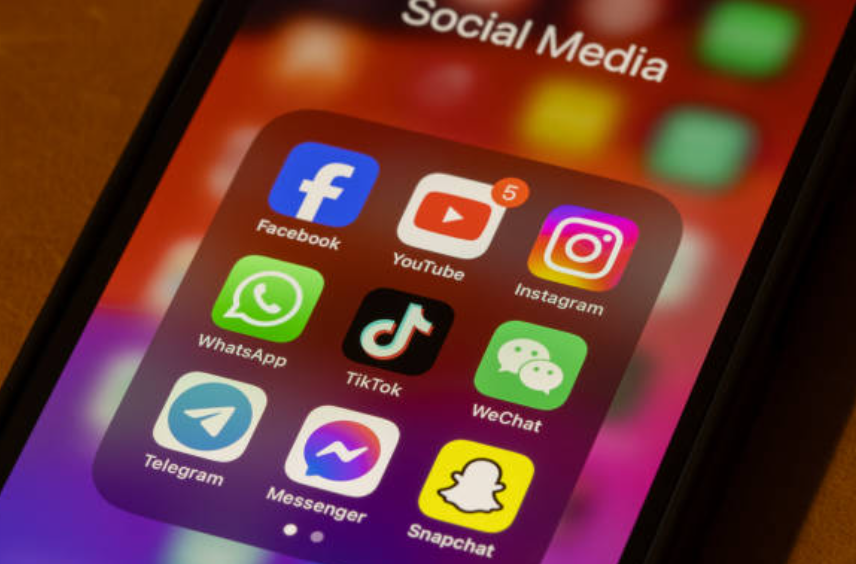
Social media is woven into nearly every part of daily life in Houston, but when someone faces a sex crime investigation or charges, digital activity can quickly become a legal minefield. Prosecutors and police regularly comb through posts, messages, photos, and even deleted content to build evidence. As a father-and-son criminal defense team with deep trial experience, we know firsthand how even a single online interaction can shape an entire case. If you or someone you care about is under investigation for a sex offense, being aware—and proactive—about your social media presence can help protect your rights, your future, and your reputation.
Can Social Media Activity Be Used As Evidence in Houston Sex Crime Cases?
In Houston, social media content often becomes a central part of Houston Sex Crime Attorney investigations and trials. Public and private posts, direct messages, shared photos, and “disappearing” stories or snaps can all be targeted for evidence when authorities are investigating sex offenses. Law enforcement and prosecutors routinely submit requests to platforms such as Facebook, Instagram, Twitter, Snapchat, and TikTok to access relevant user information—including content you may have believed was private or deleted.
Texas law allows social media posts and messages to be used as evidence if properly authenticated. Our courts treat digital evidence with the same seriousness as any physical item, provided prosecutors can prove its origin and relevance. Over the last decade, Houston-area prosecutors have increasingly relied on social media to clarify timelines, prove relationships, or highlight behavior they argue is suspicious or incriminating. Conversely, defense teams may present social data to support alibis, raise doubt, or challenge the prosecution’s story.
Social media evidence may shape the perception of a case even before reaching a courtroom. Investigators use digital footprints to map out contact between the accused and accuser, verify or dispute locations, and strengthen or weaken witness statements. Both sides know how critical a single message, photo, or comment can be in influencing decision-makers. That’s why it’s vital to manage digital activity carefully and seek guidance early in any Houston sex crime case.
What Social Media Content Most Impacts Sex Crime Cases in Houston?
Certain types of social media content attract special attention from Houston police, lawyers, and investigators when a sex crime is alleged. Understanding which posts or messages are most likely to become evidence helps you make better choices and anticipate what may come up in your case. Key forms of high-impact content include:
- Direct messages, private chats, or text exchanges with the alleged victim, witnesses, or mutual friends.
- Photos, videos, or stories that establish location, time, or show interactions between the people involved.
- Public comments, tags, or reactions that suggest motive, knowledge, or state of mind related to the incident.
- Check-ins, geo-tags, or location data that place the accused (or others) at specific addresses or venues at important times.
Law enforcement may request records not only from the accused’s accounts, but also from other users who could have relevant content, such as group chat logs or shared files. Something as simple as a “like” or reaction to another person’s post can become a part of the investigation. Even if you didn’t create or intend for content to be publicly visible, Houston investigators may trace information through friends, screenshots, or backup data.
Private stories or disappearing messages on platforms like Snapchat can still be recovered through forensic analysis, subpoenas, or tips from other users. Sometimes, seemingly innocent conversations or private apologies are misconstrued as incriminating evidence. If you are concerned about specific interactions, consult a lawyer before engaging further online. Our team has the experience to advise whether content could be misunderstood and how best to protect yourself if it comes under scrutiny.
How Are Deleted Social Media Posts or Messages Recovered During Investigations?
Many people assume deleting a post, message, or profile erases it from the record. In reality, digital footprints are extremely difficult to eliminate—especially during a sex crime investigation in Houston. Social media platforms keep extensive logs, backups, and archives of user activity. When they receive a valid subpoena or court order, companies provide law enforcement with detailed records, including deleted content and metadata.
Police and prosecutors increasingly rely on digital forensics to recover deleted messages, posts, or images from computers, tablets, or smartphones. Specialized technology can unearth data that users believed was gone, sometimes revealing a timeline or intent that shapes the entire prosecution. Even deleted “stories” or ephemeral messages may linger in temporary system files or through account synchronization services. Deletion attempts not only fail to guarantee privacy, but sometimes draw extra attention to specific content.
In addition, witnesses, accusers, or third parties often keep screenshots, downloads, or shared files that remain available even if you delete your own copy. Investigators and lawyers in Houston know to look for these “backups” through interviews, search warrants, or tips. If a court believes someone tried to destroy evidence, prosecutors may use these actions to argue “consciousness of guilt.” For those under investigation, it is crucial to avoid erasing or altering digital records and consult legal counsel about responsible next steps.
What Social Media Mistakes Can Hurt Your Sex Crime Defense?
People facing sex crime allegations in Houston often make online mistakes that can damage their Criminal Defense or worsen their situation. These errors are rarely intentional, but stem from panic or a desire to defend themselves. Based on years of trial experience, these are the most damaging online actions:
- Contacting an accuser or witness directly or indirectly through any social media channel, which can result in new criminal charges, restraining order violations, or claims of witness tampering.
- Posting about the investigation, case, or people involved—even vague statements about “unfairness”—creates records prosecutors can use to suggest guilt, lack of remorse, or to support their version of events.
- Attempting to hide or erase your online footprint, such as deleting posts, changing usernames, or deactivating accounts, can appear suspicious and may be interpreted as tampering with evidence by Houston courts.
Private groups, encrypted apps, or “burner” accounts do not eliminate these risks. Screenshots and shares have a tendency to outlive the original messages. Any social interaction, even a “like,” can wind up as a printout before a judge or jury. We advise our clients to halt all online discussions—public or private—about the case as soon as they learn of an investigation. Instead, gather and save copies of potentially relevant online content and direct all questions to your legal team.
If you need emotional support, seek it offline. Avoid venting, seeking validation, or defending yourself on social media. Listen to your attorney’s advice regarding your digital footprint, and remember that protecting your legal standing starts with how you manage your online interactions from day one.
Can False Accusations & Online Rumors Influence a Sex Crime Case in Houston?
False accusations and rumors spread on social media can lead to real-world consequences even before authorities have gathered the facts in a Houston sex crime investigation. Viral posts or online discussions sometimes trigger police involvement, put pressure on prosecutors to act, and shape public perception. In some cases, people have lost jobs, relationships, or community support based solely on digital hearsay—long before any charges are filed or proven.
Police and prosecutors treat widely-shared accusations or coordinated group discussions as potential grounds to open or pursue an investigation. Screenshots, shared messages, or posts referencing the case or individuals involved may be included as part of the evidence package, influencing officials’ strategies as well as potential jurors’ opinions. These challenges are heightened in high-profile situations or cases involving public figures.
We recommend documenting—rather than engaging with—rumors, defamatory posts, or harassment online. Save digital copies of harmful comments, threats, or misleading information for your legal team. Do not reply, defend yourself, or attempt to “correct the record” online, as this rarely changes opinions and can create further evidence for the prosecution. With experienced legal guidance, you can develop a clear plan to counteract false information and protect your reputation while your defense proceeds through official channels.
Are Private or Hidden Social Media Accounts Really Protected from Investigation?
Trusting privacy settings or “hidden” accounts to shield sensitive content during a sex crime investigation is a dangerous belief, especially in Houston. Police can—and do—obtain warrants or subpoenas that compel social media companies to turn over private information, including direct messages, deleted posts, and detailed metadata. Law enforcement can also access backup files on your device that reveal information you believed was limited to a select few.
Investigators don’t stop at official profiles. Alternate accounts, “burner” handles, and group memberships often emerge through forensic analysis, witness statements, or digital tips from other involved parties. In high-stakes cases, even private conversations with close friends could become accessible. Most platforms maintain server-side records of all activity, making it possible for authorities to map out a person’s complete digital footprint when allegations arise.
Privacy settings do have some value—they reduce public visibility and limit casual snooping. However, they are no match for a criminal subpoena in Houston’s legal system. We emphasize to clients that the only way to truly protect sensitive digital material is through discretion and strategy, not by relying solely on privacy tools provided by social networks.
How Do Investigators Authenticate Social Media Evidence in Houston Courts?
Authentication is the process by which Houston courts determine whether a social media post, message, or image is legitimate and admissible in evidence. Texas law requires prosecutors and defense attorneys alike to show that the digital content really originated from the account in question and accurately reflects the events portrayed. Without solid authentication, judges can deny admission of the data.
To establish authenticity, investigators and prosecutors may use a variety of techniques. This includes tracing account registrations, matching email addresses and phone numbers to an individual, and analyzing device IP addresses or geolocation data. Authentication may also involve the testimony of people who participated in conversations, or digital forensic analysis of the electronic devices used to post the material. Metadata, such as timestamps and editing logs, provides another layer of verification.
Defense teams in Houston sex crime cases carefully examine whether alleged evidence is truly authentic, disputing claims of hacking, forgery, or unauthorized access. Many defenses have succeeded or failed based on the thoroughness of this process. Our experience with the intricacies of digital evidence means we can effectively challenge prosecutors and guard against misleading or unreliable data reaching the courtroom.
What Are the Special Social Media Risks for Houston Military Members Accused of Sex Crimes?
Active-duty service members in Houston or nearby military installations face additional digital scrutiny if they're accused of a sex offense. Investigations conducted under the Uniform Code of Military Justice (UCMJ) follow procedures distinct from civilian law, granting military authorities wider access to personal devices and accounts. Commanders and military law enforcement often review group messages, official communication channels, or social platforms widely used by service members.
Unlike in civilian life, privacy expectations change within the military environment. Supervisors may require access to personal accounts, and the chain of command sometimes has authority to examine digital history, especially for incidents involving other service members or happening on military property. Service regulations restrict certain kinds of posts or communication, and violations can lead to administrative or criminal penalties, even for behavior deemed “personal.”
Our team recognizes the added stress these rules create and helps Military Crimes clients in Houston separate their personal and work-related communication, preserve relevant data, and respond to requests in accordance with both UCMJ and Texas law. Navigating this dual system benefits from counsel with military law trial background, and our personalized attention ensures every service member’s rights and procedures are properly managed.
What Steps Should You Take Now to Protect Your Rights & Digital Safety?
If you believe you are under investigation for a sex offense—or even suspect someone has raised accusations about your conduct—quick, thoughtful action can make a real difference. Start by avoiding any rash decisions to delete posts, deactivate accounts, or modify your digital history. Courts in Houston may interpret such activity as an attempt to hide evidence, making the situation far more complicated.
Instead, document your social media presence. Take inventory of all your accounts, review privacy settings, and make copies of posts, messages, or chats that could be relevant in your case. Save these records securely and share them only with your legal team, not with friends or acquaintances. Consider the following key steps:
- Pause all discussions of your case—publicly and privately—on every platform.
- Do not contact accusers or witnesses, and avoid responding to related messages.
- Preserve evidence rather than delete it.
- Consult with a criminal defense attorney experienced in digital evidence and local Houston cases before making any online changes.
Working hand-in-hand with your defense team from the very start offers the best protection for your rights and future. At Guy L. Womack & Associates, P.C., we focus on detail, responsiveness, and advocating for our clients’ interests at every stage, from digital safety to courtroom defense.
How Can a Houston Criminal Defense Attorney Help With Social Media Evidence?
A skilled criminal defense attorney plays an essential role when social media evidence looms over a Houston sex crime case. Our experience allows us to scrutinize every digital interaction—searching for inconsistencies, procedural errors, or misinterpretations by prosecutors. We know how to challenge evidence that lacks proper authentication or was obtained through questionable means. For cases with high visibility or complex legal circumstances, our ability to guide fact-finding, coordinate with digital forensic professionals, and advocate for fair interpretation of all evidence stands out.
We also understand how to support clients facing pressure from widespread rumors, media attention, or social backlash. Our father-and-son team remains personally invested in every case, delivering open communication, compassionate guidance, and a holistic defense approach. For active-duty military personnel or those facing federal charges, we tailor our strategies to the unique requirements of both military and civilian law.
If you or someone you care about is facing accusations linked to online activity, don’t navigate this challenge alone. Early legal advice helps prevent mistakes and develops a sound plan to protect your reputation and your rights. For confidential guidance or to discuss your case, reach out to Guy L. Womack & Associates, P.C. at (713) 364-9913. We’re here to stand by your side through every digital and legal challenge you may encounter in Houston.
.2601131233315.png)
